Key takeaway
Azerbaijan transforms in winter. From Shahdag's ski runs to Baku's tea house warmth, here's how to plan your cold-season trip.
Why Azerbaijan Shines in Winter
Most travellers associate Azerbaijan with oil, the Flame Towers, and the mud volcanoes of Absheron. They rarely think of it as a winter destination — and that is precisely why visiting between December and March gives you something rare: a country that has not been packaged for mass tourism. The ski slopes are uncrowded, the tea houses are steam-warm, and the Caspian wind adds a sharp, salty edge to Baku's Heydar Aliyev Centre architecture that summer visitors simply miss.
If you are considering Azerbaijan winter travel, this guide covers the two ski resorts worth knowing about, what the weather actually does across the country, and a packing list that reflects reality rather than aspirational Instagram lists. Apply for your Azerbaijan visa through /order-now before you finalise your itinerary — sorting the paperwork early frees you to focus on where to ski and where to drink tea.
Shahdag and Tufandag: Azerbaijan's Two Ski Resorts
Azerbaijan has two purpose-built ski resorts in the Greater Caucasus, and they serve different types of visitors.
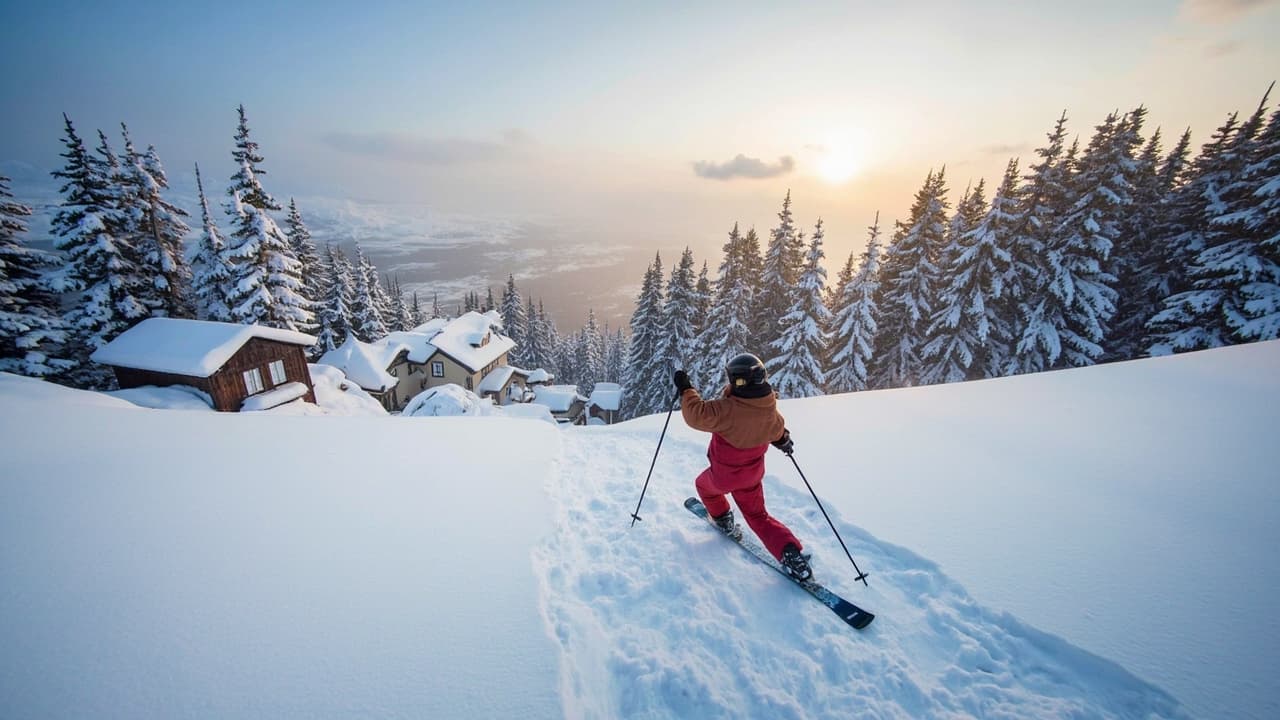
Shahdag Mountain Resort is the larger and more developed of the two. Located near the village of Shahdag in Gusar District, it sits at elevations between 1,200 and 2,200 metres. The resort opened in 2012 and now offers around 17 kilometres of marked pistes, several lifts, snow-making equipment, and a growing range of accommodation from hotel rooms to self-catering apartments. Beginners will find gentle nursery slopes, while intermediate riders get some solid red runs carved into the mountain. Advanced skiers will notice the terrain is limited compared to Alpine standards — the off-piste is not heavily patrolled, so take local guidance before venturing beyond marked runs.
Tufandag Mountain Resort is newer and sits closer to the town of Gabala. Its elevation range is slightly lower, topping out around 1,900 metres, but the resort has invested heavily in snow-making and has expanded its lift network in recent seasons. Tufandag tends to attract a younger, more domestic Azerbaijani crowd, which means the après-ski scene has a different energy — louder music, more locals, less polished. If you want to mix with Azerbaijani families and young people rather than international ski tourists, Tufandag delivers that.
What the Weather Actually Does
Azerbaijan's geography creates dramatic weather contrasts in winter, and understanding them prevents bad packing decisions.
Baku and the Caspian coast experience a maritime-influenced winter. Average temperatures hover between 2 °C and 10 °C from December through February. Snow is possible but rare in the city itself — when it falls, Baku grinds to a beautiful, bewildered halt. The humidity off the Caspian makes 5 °C in Baku feel colder than 5 °C in a dry climate, so bring a windproof layer even if the forecast looks mild.
The mountain resorts are a different world. At Shahdag's upper lifts, temperatures regularly drop to −10 °C or lower on clear nights. Daytime highs at resort level sit around −2 to −5 °C. Snowfall is reliable from mid-December, and both resorts invest heavily in snow-making to supplement natural cover. The key variable is fog — the Caucasus foothills can sock in with low cloud and mist, reducing visibility on the slopes. Check resort webcams before heading up in the morning.
The regions between Baku and the mountains (this includes parts of the north and the road to Quba) can experience icy conditions. If you are self-driving, carry chains and check road conditions with local contacts before departing.
Packing for an Azerbaijan Winter Trip
Packing smart for Azerbaijan in winter is less about volume and more about layering. You will move between heated indoor spaces — tea houses, hotel lobbies, restaurants — and cold outdoor environments. Single thick layers trap heat but make you sweat when you step inside. Layering lets you regulate temperature without undressing in public.
Base layer: Merino wool or synthetic thermal top and bottom. Merino is lighter and resists odour better, which matters on a week-long trip.
Mid layer: A fleece or lightweight down jacket. Fleece breathes better; down compresses smaller. Choose based on your luggage space.
Outer layer: A fully waterproof and windproof shell jacket is non-negotiable in the mountains. The snow in the Caucasus is often wet, not powder-dry, and wind cuts through a non-waterproof layer in minutes.
Hands and extremities: Pack a minimum of two pairs of gloves — a thin liner pair for mild days and a ski glove or mitt for cold or wet conditions. Bring hand warmers; they are not always available in local shops. Thermal socks (two pairs per ski day) and a balaclava or neck gaiter are easy to overlook and genuinely important.
Footwear: Waterproof walking boots rated to at least −10 °C for general sightseeing. If you are skiing, bring your own ski boots if you have specific fit requirements — rental stock at Shahdag and Tufandag is functional but not premium.
Face and skin: The combination of cold air and wind off the Caspian is hard on exposed skin. Bring SPF 30+ sunscreen, lip balm with SPF, and a moisturising cream. These are not vanity items in a Caucasus winter — they are practical gear.
Baku in Winter: Tea Houses, Culture, and the Caspian Edge
Baku in winter rewards travellers who enjoy cities in their off-season. The crowds thin, hotel prices drop from peak-season rates, and the city reveals its actual character rather than the version assembled for tourism brochures.
The tea house (çayxana) culture is one of the great underreported pleasures of Baku. These are not tourist attractions — they are working men's clubs, neighbourhood gathering spots, and community centres rolled into one. In winter, they are warm, slightly smoky (tobacco use remains common inside), and full of conversation. Order a glass of çay — Azerbaijani black tea, brewed strong and served with sugar cubes and sometimes jam — and watch the city go by. Locals will often invite you to join their table, particularly if you show genuine interest rather than pulling out a guidebook.
For culture-seekers, Baku's winter is ideal. The Azerbaijan National Museum of Art, the Heydar Aliyev Centre, and the Carpet Museum are all walkable from the city centre and heated. The Palace of the Shirvanshahs in the Old City (İçərişəhər) is atmospheric in winter, particularly early in the morning before coach tours arrive. The old city's stone streets can be slippery with ice after cold nights — wear shoes with proper grip.
Winter evenings in Baku have a particular quality. The Caspian Sea is visible from the Azerbaijan Boulevard (Dənizkənarı Milli Park), and on clear nights the Flame Towers are lit in shifting colours against a dark sky. Bring a warm layer, walk the waterfront promenade, and stop at one of the small cafés along the boulevard for something hot.
Planning Your Trip: Practical Steps Before You Go
Visa: Most travellers need a visa or an e-visa to enter Azerbaijan. Processing through the standard channel takes [verify with team] business days, while urgent and super-fast tiers are available for tighter schedules. Apply at /order-now and have your passport valid for at least six months beyond your planned entry date.
Insurance: Winter sports carry elevated risk. If you plan to ski at Shahdag or Tufandag, confirm your travel insurance explicitly covers skiing. Standard policies often exclude off-piste activity — read the small print.
Currency: The Azerbaijani manat (AZN) is the local currency. Credit cards are widely accepted in Baku hotels and restaurants but rarely usable in the mountain resorts. Carry enough cash for the ski lifts, food, and transport at Shahdag and Tufandag.
Connectivity: Azerbaijani SIM cards with data plans are inexpensive and widely available. Mobile coverage in the mountains is patchy — do not rely on a signal above 1,500 metres.
Language: Azerbaijani is the official language. Russian is widely understood, particularly among older residents and in service industries. English is limited outside Baku's tourist-facing businesses. A translation app on your phone is a worthwhile investment.
Getting between Baku and the resorts: The most comfortable option is a private transfer booked through your hotel or a Baku travel agency. Day trips to the ski resorts are possible but involve long days — approximately 3–4 hours each way on winding mountain roads. Consider staying at or near the resort for at least one night to ski fresh tracks in the morning.
FAQ
When is the best time to ski in Azerbaijan? January and February offer the most reliable snow cover at Shahdag and Tufandag. December can be mild at resort level, and March often brings spring-like conditions and rain in Baku while the upper slopes may still hold snow.
Do I need a special visa for skiing or winter sports in Azerbaijan? No separate visa category exists for skiing. A standard tourist visa or e-visa covers all leisure travel, including ski resort visits. Apply through /order-now before booking resort accommodation.
Is Azerbaijan safe for winter travel? Azerbaijan is generally safe for travellers. The main winter hazards are icy roads, reduced visibility in mountain fog, and standard urban risks such as petty theft. Drive carefully in mountain areas, and do not ski off-piste without local knowledge.
What should I wear in Baku in winter? Dress in layers with a warm coat, waterproof shoes, gloves, and a hat. Temperatures range from 2–10 °C. The wind off the Caspian makes it feel colder than the numbers suggest, so windproof outer layers are worth packing.
Are the ski resorts suitable for beginners? Both Shahdag and Tufandag have dedicated beginner areas with gentle nursery slopes and instruction available. However, advanced skiers will find the overall terrain limited compared to major Alpine or Central Asian resorts.
Can I use credit cards at Shahdag and Tufandag? Card acceptance at the mountain resorts is inconsistent. Bring Azerbaijani manat in cash for lift tickets, equipment rental, food, and tips. ATM access near the resorts is limited.
Key Takeaways
- Azerbaijan's two ski resorts — Shahdag and Tufandag — offer genuine winter sports experiences within reach of Baku, with reliable snow from January through February.
- Baku in winter is quieter, cheaper, and more authentic than the peak season, with çayxana culture providing a uniquely local way to warm up after cold walks.
- Layered packing is essential: thermal base layers, a mid-layer fleece or down jacket, and a fully waterproof outer shell will handle most of what Azerbaijan's winter delivers.
- Sort your Azerbaijan visa through /order-now before booking resort accommodation — winter processing queues can build up during December and January.
- Bring cash in manat for the ski resorts, as card payments are not reliably accepted at lifts, rental desks, or small food vendors on the mountain.
Azerbaijan Visa Editorial
Writes about Azerbaijan eVisa requirements, traveler tips, and fastest processing routes for visa applicants.
Ready to apply?
Start your Azerbaijan eVisa application now.